
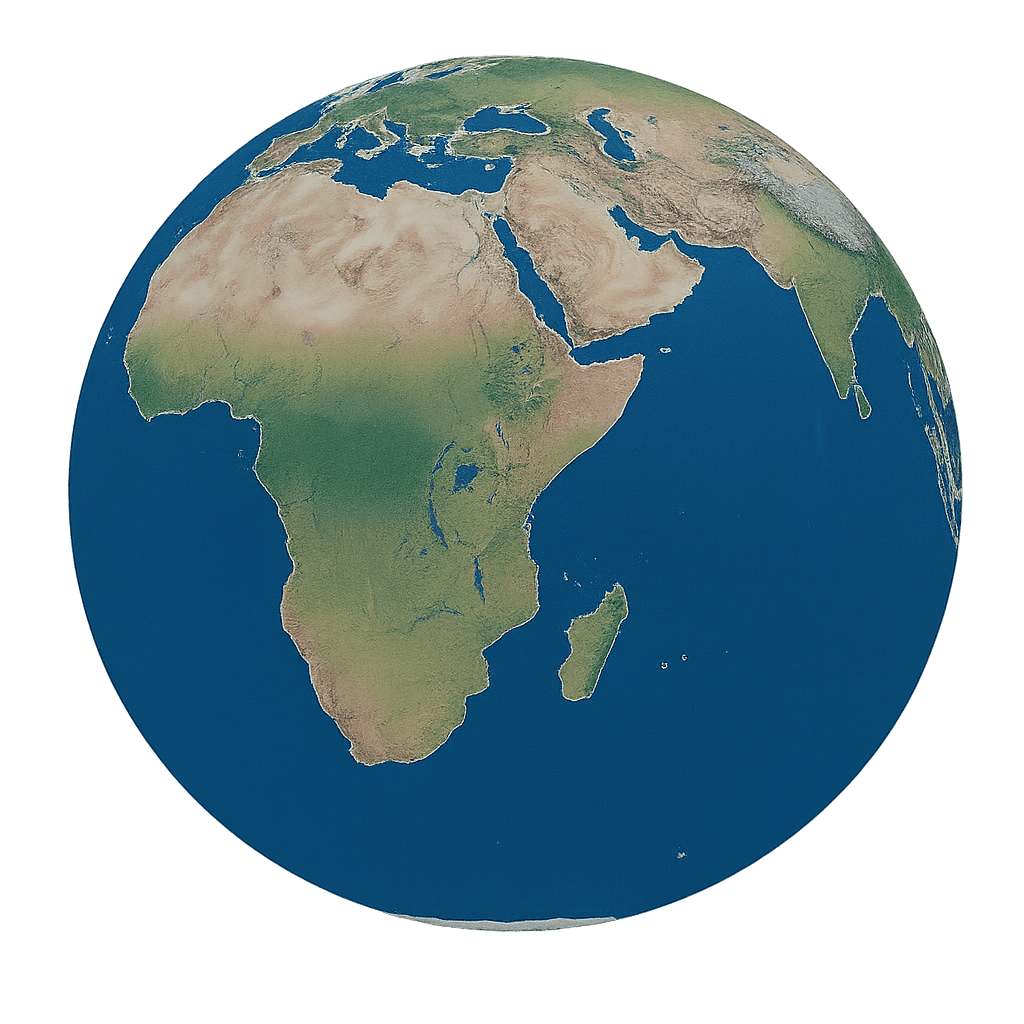
Accountability & Rights in Syria: The UN Commission of Inquiry on Syria says a successful transition depends on comprehensive accountability, inclusion, and guarantees of non-recurrence, warning against selective justice as the country rebuilds institutions. Human Rights Watchdog: The Syrian Network for Human Rights reports the regime executed 7,872 people via military field courts (including 114 children and 26 women) and lists tens of thousands forcibly disappeared. Education & Gender in the Region: A new Iranian directive draft would enforce mandatory hijab across universities, with officials citing existing laws but no clear penalties yet. Culture & Community in Exile: In London, a crochet and textile pop-up highlights Syrian refugee artisans through the Lamsa brand, turning craft into a lifestyle bridge between communities. Local Life Under Pressure: A Syrian minister tells UK MPs to shift from conditions-based aid toward direct trust and long-term social protection systems with the new leadership. Syria’s Cultural Memory Under Threat: Coverage from Khartoum describes how Sudan’s civil war damaged and looted major museum collections—an urgent reminder of what conflict does to heritage.
AGP Executive Report
Your go-to archive of top headlines, summarized for quick and easy reading.
Note: AI summary from news headlines; neutral sources weighted more to help reduce bias in the result. Feedback is welcome. Please let us know if you have any comments or suggestions about the AGP Executive Report.
Education & Identity: Kurdish students in Hassakeh and Kobani boycotted classes after the Education Ministry cut Kurdish-language instruction to three periods a week, with protesters demanding Kurdish be restored as a core language. Gender & School Culture: In Damascus, the Freedom Institute (formerly Laïque School) sparked debate after announcing separation of male and female students for the 2026–2027 year, except for primary grades. State Control & Security: Syria’s foreign minister said Damascus has integrated armed factions into the national army to keep weapons under state monopoly, framing it as part of reconstruction and sovereignty. Accountability: Syrian authorities arrested former Assad-era Major General Mohammed Ali Durgham over alleged orders to fire on unarmed protesters in 2011 and involvement in the 1982 Hama crackdown. Diplomacy: Asaad al-Shaibani met Egypt’s FM Badr Abdelatty at the Arab League session in Cairo, discussing regional developments and cooperation. Cultural Heritage: The Louvre’s Islamic art collection is set to travel to the Smithsonian, including a Mamluk-era basin made in Syria or Egypt.
Cultural Heritage Rescue: ALIPH launched a new program to safeguard endangered film and audiovisual heritage, with Syria named for work to protect the National Film Archives’ collection and rebuild its storage and technical capacity. Arts & Identity: A Syrian designer, Zeina Issa, is accusing BLACKPINK’s Lisa of copying her coin-adorned headphone accessory for Lisa’s “SaWaDiKa” music video—an argument now playing out publicly online. Education & Memory: Damascus University’s Political Science Faculty is wrestling with its Baathist past as new leadership tries to “de-Baathify” the curriculum and protect academic freedom after the regime change. Everyday Culture in Transition: Researchers describe a wedding in Hama where traditional chants and ululations carried on despite years of war—an intimate look at how Syrians rebuild ordinary life. Regional Language Rights: Kurdish students and communities in Syria continue protests over limits on Kurdish-language education, including in Kobanê and Hesekê. Syria’s Cultural Landscape Abroad: A travel piece recalls a return journey from Germany to Idlib, framing the road home as both personal and cultural.
Kurdish Education Rights: Students in Kobanê, Hasakah and Qamishlo refused to enter classrooms at the start of the 2026–2027 year, protesting a Syrian Education Ministry decision limiting Kurdish-language instruction to three lessons per week and demanding mother-tongue schooling. Cultural Heritage in Afrin: Kurdish sculptors in Syria are recreating major historical symbols for younger generations, including a life-size replica of the Ain Dara lion, after saying the original was stolen following Turkish forces’ control of Afrin in 2018. Damascus International Fair Chants: At the Damascus International Fair, crowds chanted pro-Palestine slogans including “Al-Aqsa, be patient,” as Syria pushed “Syria Shines Again” and sought renewed international engagement. Design & Identity in Music: Syrian designer Zeina Issa accused BLACKPINK’s Lisa of copying her coin-adorned headphone concept in the “SaWaDiKa” music video, sparking a public credit-and-ownership dispute. Religious Freedom Dialogue: A European Parliament conference will focus on the future of Christians in Syria, emphasizing religious freedom, equal citizenship, and political representation during the transition.

Kurdish Education Protests: Students in Kobanê and Hesekê/Qamishlo are boycotting classes after the Interim Education Ministry limited Kurdish-language instruction to just three lessons per week, with protesters saying mother-tongue learning is identity and a right, not an elective. Damascus International Fair Politics: Damascus wrapped up its 63rd International Fair under “Syria Shines Again,” with chants calling for Palestine’s liberation and reports of participation from dozens of countries, as Syria pushes to reconnect with global markets. Martial Arts Film Buzz: German-Syrian filmmaker Taim M. Adams’ “Lion Fist” trailer spotlights an all-styles tournament plot, family stakes, and a cast of recognizable martial-arts names. Syrian Hip-Hop Generations: “Syrian Cypher 2 (963)” brings 12 Syrian MCs together to bridge older and newer rap voices, mixing boom-bap with oud and qanun across Syrian locations. UN Human Rights Council Focus: The UNHRC autumn session opens in Geneva with dialogues expected on Syria and other major crises, plus debates on sanctions’ human impact. Charity Spotlight: International Day of Charity highlights Qatar’s humanitarian presence and a shift toward more sustainable, long-term support.
Alcohol Curbs in Northeast Syria: New taxes and tighter rules tied to Damascus control of the Semalka border are pushing up alcohol prices in Qamishli and elsewhere, leaving many residents relying on smuggled supply. Back-to-School Cost Pressure: Families in Damascus markets are counting the price of pens, notebooks, bags, and clothing as school season reopens, with many buying less or passing items down between siblings. Interpol Passport Alert Canceled: Syria says Interpol has removed an international alert listing 24,511 Syrian passports as stolen after a review found the earlier claim unreliable. Kurdish Education Recognition: Syria’s education policy moves toward Kurdish-language schooling ahead of the new school year, with multiple groups weighing in on the decision. Cultural Pages from Damascus: The Department of Culture publishes issue 84 of Al-Masrah magazine, spotlighting theatre and readings across the region. SDF Fighter Remembered: The SDF marks the death of French internationalist Lorcan Charonnat, framing his life as part of the struggle in North and East Syria.
Kurdish language & education: Mazloum Abdi says opposition to Kurdish-language schooling in Syria comes from both domestic parties and neighboring countries, arguing the issue is regional and tied to Decree 13 that recognizes Kurdish as a national language. SDF dissolution & next steps for Kurds: Coverage marks the end of the Syrian Democratic Forces and the Kurdish-led autonomous administration, with new focus on how Kurdish forces are being integrated and what comes next for Kurdish political life. Civil peace talks in Qamishlo: A Kurdish National Council delegation joined a broad dialogue meeting under “Civil Peace Is Everyone’s Responsibility,” bringing together Kurdish and Arab tribes, Christian groups, and Yazidi representatives to push coexistence amid rapid change. Culture & publishing: The Department of Culture released issue 84 of Al-Masrah magazine, while theatre coverage highlights new Syrian and regional productions and local experimental festival follow-ups. Arts controversy: A London-based Syrian designer accuses Blackpink’s Lisa of copying a “coined headphone” concept for a new music video. Heritage & memory: A Syrian collector in Daraa handed over a 20-year cache of artifacts to the Directorate of Antiquities and Museums, spanning Ottoman to ancient eras. Safety on the ground: UN OCHA reports explosive ordnance incidents across Syria killed nine people, including six children, and calls for risk education and clearance. Regional diplomacy: The Arab League opened its 166th session in Cairo under Tunisia’s chairmanship, with Syria, Gaza, and Iranian attacks on the agenda.
Explosive ordnance in Syria: UN OCHA says explosive remnants of war are still killing and injuring civilians across multiple governorates, with a dozen incidents in one week and agriculture hit hardest—calling for wider clearance, risk education, and support so families can move and work safely again. Kurdish rights after SDF dissolution: Mazloum Abdi rejects claims Kurds “lost everything,” pointing to integration gains with Damascus, Kurdish as a national language in schools, and urges Kurdish seats in Syria’s constitution drafting committee. Humanitarian access blocked in the West Bank: Israeli forces killed a Palestinian near Damascus Gate and blocked aid to a settler-besieged village, as arrests and raids continued across Nablus and surrounding areas. Culture & dialogue through translation: A Cairo festival event launched Arabic translations of major contemporary plays, including Denis O’Hare’s An Iliad, with performances linking theatre to cross-cultural exchange. Syrian diaspora tech story: A Syrian software engineer in Ireland behind a multilingual driving-theory website is helping Arabic speakers prepare for tests—turning survival experience into practical education. Palestinian food as memory: A feature explores Palestinian hospitality through dishes like maqluba and musakhan, treating recipes as a living language of seasons, celebrations, and family life.
Kurdish language rights in focus: Syrian presidential adviser Mazloum Abdi pushed back on “Kurdish surrender” claims after the SDF dissolution, saying Kurds kept real gains through integration with Damascus—especially Kurdish as a national language and its presence in schools—and urged Kurdish representation in the constitution-drafting committee. Education protests in Rojava: Kurdish groups and students in Cizîr region rallied against a decision limiting Kurdish-language classes to three hours weekly, calling it a step back from years of mother-tongue instruction across sciences and demanding official recognition. SDF dissolution and diplomacy: Abdi also said a meeting with imprisoned PKK founder Abdullah Öcalan “would be good,” framing it as potentially helpful for Turkey–Kurds ties while the SDF’s fighters are now folded into Syrian army structures. Palestinian refugee schooling aid: Kuwait’s KFAED signed a $2.5m grant with UNRWA to rebuild Berria School in a Palestinian camp in Syria, aiming to cut overcrowding and keep education running safely. Sweida tensions: Clashes in southern Sweida resumed between Druze armed groups and Syrian government forces, including road blockages affecting students heading to exam centers.
Kurdish-Language Education: In Syria’s Cizîr/Rojava, the PYD says the interim Education Ministry’s move to cut Kurdish classes to three hours weekly is a setback that weakens mother-tongue teaching across sciences and research. Student Protests: Students, teachers and citizens in Dêrik, Girkê Legê, Çilaxa and Tirbespiyê marched to demand Kurdish be recognized as an official language and the decision be reversed. Sweida Clashes: Fighting between Druze armed groups and government forces reignited in Sweida, with road blockages affecting students’ access to exam centers, underscoring fragile post-Assad integration. Palestinian Refugee School Rebuild: Kuwait’s KFAED signed a $2.5m grant with UNRWA to demolish and rebuild Berria School in Khan Al Sheikh camp, aiming to cut overcrowding and keep education running. Regional Tensions: Analysts warn that rising Israel–Turkey rivalry, highlighted by an Israeli strike on a Syrian air base, raises escalation risks even as both sides avoid war. Immigration Pressure in the US: A report links Haitian TPS holders’ ankle-monitoring to severe stress and bullying, including the death of a Springfield student, while California AG guidance reiterates workplace protections for TPS employees.
Kurdish Education in Rojava: Academics and students in Kobanê and across Rojava are protesting a decree that would cut Kurdish-language schooling to just a few weekly hours, arguing mother-tongue education is central to identity and learning. Cultural Resilience in Syria: A report from Hama captures how church weddings still carry traditional chants and celebratory rituals—Ewiha and zalghouta—despite years of war. Reconstruction & Lifestyle: UAE developer Arada has entered Syria via a joint venture with the Syrian Sovereign Fund to build the $7bn “New Damascus” mixed-use city near Mezzeh, with homes, schools, a hospital, and parks. Church & Community: Pope Leo XIV met Latin-rite bishops from Arab regions, urging solidarity with conflict-torn communities in places like Iraq and Syria. Diaspora & Daily Life: In Kansas City, Haitian vendors and families brace for deportations after protected status changes, with local food culture becoming a lifeline. Immigration Pressure in the US: Ohio faith leaders denounce ICE raids that detained Haitians, including pastors, after TPS terminations.
Kurdish Language Rights: Thousands marched in Kobanê, Hesekê, and Zirgan after Syria’s education ministry cut Kurdish-language instruction to just three hours/lessons per week, with protesters calling Kurdish “our identity” and warning students may lose access to education in their mother tongue. Cultural Spotlight: Damascus International Fair opened with a Kurdish pavilion showcasing traditional clothing, music, and crafts—an early sign of cultural institutions reopening as Syria rebuilds. Women’s Autonomy Talks: YPJ commander Newroz Ehmed says negotiations with Damascus must preserve YPJ’s independent structure and autonomy, with discussion shifting toward integrating YPJ as intact special units rather than individual absorption. State Integration in Hasakah: Syrian government forces entered central Hasakah to support security and integration steps after the SDF’s dissolution process began. Church Leadership: Vatican named Chorbishop Sharbel Maroun as archbishop-elect for the Maronite Archeparchy of Damascus, succeeding Samir Nassar. Education Disruption in Suwayda: Students in As-Suwayda face exam access problems tied to control of routes and centers, turning schooling into a political battleground.
Kurdish Language Rights in Focus: Syria’s Education Ministry now allows Kurdish-language lessons (three hours weekly), but PYD co-chair Gharib Hasso calls it too limited and urges official recognition in the constitution. Education Under Pressure in Sweida: Students in As-Suwayda say exam access has become a political roadblock, with thousands unable to reach centers amid disputes over supervision and routes. Hasakah Security Shift: Damascus sent more Interior Ministry-linked forces into Hasakah as it continues integrating former SDF structures into state security, following SDF moves to end its independent status. Maronite Church Leadership: Chorbishop Sharbel Maroun has been named archbishop-elect for the Maronite Archeparchy of Damascus, a major religious appointment connecting Syria’s church leadership with the diaspora. Cultural Life & Return: Lebanese actress Nour returned to social media after her husband’s death, sharing new photos and reigniting fan attention. Druze Community Spotlight: Azerbaijani journalists visited Israel’s Druze town of Hurfeish, hearing how border closures affect family ties across Syria, Lebanon, Israel, and Jordan. Art Scene: Yocum Institute announced “Sort of Wind,” the North American debut of Syrian-born artist Nasr Warour, opening Sept. 4.
Kurdish Education Under Pressure: In Kobanê and Hesekê, teachers and students protested Syria’s interim Education Ministry decision, demanding Kurdish-language schooling across subjects and warning the move will harm students’ academic and psychological well-being. Exams Become a Political Battlefield: In As-Suwayda, students say exam-center disputes are forcing families to relocate and risk missing tests, as local forces and Damascus-backed authorities clash over where exams should be held and who supervises them. Digital State-Building: Syria’s Interior Ministry launched a “Civil Affairs” app for appointments, document verification, and complaints, while officials say biometric ID rollout is still being prepared and no date has been set. Diplomacy Amid Tension: Foreign Minister Asaad Al-Shaibani said Syria remains committed to US-mediated talks with Israel, calling for withdrawal from occupied territory and a seized UN buffer zone, despite reported Israeli incursions and detentions. Cultural Lens on Conflict: A feature revisits the legacy of Osama bin Laden and the lesser-known ideologue Abu Musab al-Suri, tracing how modern insurgent tactics shaped later violent Islamism.
Kurdish Education in Syria: Syria’s Education Ministry moves to include Kurdish in school curricula, but Rojava parties and Kurdish women’s groups warn it’s watered down—limited lessons and elective status don’t meet mother-tongue rights. Cultural & Community Life: A Kurdish pastor in northern Syria faces persecution tied to strict “internet crimes” rules, raising fresh questions about the future of church planting among Syrian Kurds. Reconstruction & Lifestyle: UAE developer Arada signs a deal with the Syrian Sovereign Fund for a $7bn mixed-use megaproject in New Damascus, including housing, a park, hospital, and education facilities. Regional Culture & Identity: A new push for Christian-Muslim dialogue and debates over church politics in the Holy Land keep faith and identity in the spotlight. Food Heritage: Pistachio agriculture is framed as both a cultural staple and a growing economic driver across the Middle East, including Syria.
Kurdish Language in Schools: Syria is moving Kurdish from an elective to a counted curriculum subject, with three lessons a week in public and private schools in Kurdish-majority areas, ahead of the new academic year. Damascus Cultural Openness: A Kurdish cultural event held at a government center in Damascus drew calls for wider recognition of Kurdish language and culture, with performances and traditional dance. SDF Integration Fallout: Syria’s president appointed former SDF chief Mazloum Abdi as a presidential adviser after the SDF’s dissolution, as Kurds weigh what language and rights protections will mean under Damascus. Internal Security Crackdown: Syrian Internal Security arrested two former regime officers in Latakia over alleged abuses during the uprising, including extortion and killings/disappearances. Cultural Diplomacy & Media: Qatar is expanding its footprint in Syria and Lebanon through investment and mediation, while Syria also licensed a TV channel bearing the Turkmen community’s name. Poetry Spotlight: The Abdulaziz Saud Al-Babtain Cultural Foundation announced winners of its 20th poetry prize, reinforcing support for Arabic language and poetic creativity.
Kurdish Culture in Focus: A dedicated Kurdish pavilion opened at the 63rd Damascus International Fair, featuring traditional clothing, copperware, instruments, and dabke—an effort to present Kurdish identity as part of Syria’s national fabric. Language Rights in Rojava: Kurdish groups in northeastern Syria pushed back against moves to limit Kurdish-language schooling, saying mother-tongue education is a right, not a bargaining chip. SDF Integration Update: Ilham Ahmad said SDF integration into Syrian state institutions won’t settle all issues, with Kurdish constitutional language and prisoners still central, while talks on YPJ integration continue. Diplomacy Returns to Libya: Syria reopened its Tripoli embassy after nearly 14 years, agreeing to restart consular services and open a consulate in Benghazi. Local Tensions in Suwayda: Clashes resumed west of As-Suwayda, killing two civilians in reported shelling of a tractor. Arts & Film: Kobani International Film Festival is preparing its seventh edition in Germany, with 913 films submitted from 102 countries. Cultural Memory: Raja Shehadeh’s Palestinian diaries are being archived at the University of Edinburgh, preserving a personal record of life under occupation.
Damascus International Fair: The 63rd Damascus International Fair opened under “Syria Shines Again,” with about 1,000 companies from 60 countries and a push toward B2B/B2G deals plus daily music and children’s activities. Cultural Diplomacy: Syria was named guest of honor at the Amman International Book Fair 2026, spotlighting Syrian literature and strengthening Jordan-Syria cultural ties. Education & Language Rights: Kurdish language teachers protested in Hasakah after the Education Ministry limited Kurdish instruction to three classes a week, while Rojava University warned the change could harm scientific and academic learning. Youth Exam Fairness: In Yemen’s Al-Mahra, a Syrian student’s 99.25% top score was officially restored after an alleged system “technical error” excluded her from honors. Regional Security & Identity: Commentary on the Kurdish-led SDF dissolution argues integration could reshape relations between Syrian Kurds and the state if implemented in good faith. Community Health: A dental awareness and screening camp in Kuwait targeted children’s oral hygiene with interactive education and consultations for families.
Language & Education in Rojava: The University of Rojava in Qamishlo condemned Syria’s education ministry decision to cut Kurdish-language instruction to three classes per week, warning it would sideline Kurdish as the main medium for teaching science and other subjects. Kurdish-Language Rights Push: Related reporting says Syria is moving to expand Kurdish-language teaching in schools, but Rojava University argues the latest limits are a step backward. UN Concern Over Suwayda Exams: The UN said students in Syria’s Suwayda Governorate were reportedly blocked from reaching exam centers and faced movement restrictions, urging authorities to protect students’ right to education. Syria as Guest of Honor: Syria was named guest of honor at the 25th Amman International Book Fair 2026, with the Culture Ministry highlighting cultural exchange and Syrian literary and artistic heritage. Lebanon’s Education Under Strain: Lebanon may see 100,000 children unable to start the school year in September as damaged schools and conflict-related disruptions keep classrooms out of reach. Cultural Exchange Through Food: A culinary project pairing chefs Asma Khan and Sinem Özler is set to explore Tokat’s food memory and the routes that carried dishes and techniques across Anatolia. Heritage Despite War: Archaeologists continue uncovering major finds in Lebanon, including a Roman temple site in Maasser al-Shouf, even as excavations face setbacks from ongoing conflict.
Kurdish language in Syrian schools: Syria’s Ministry of Education has approved teaching Kurdish as a “national language” in public and private schools in Kurdish-majority areas, with three weekly sessions and a first-year option for some subjects to be taught in Arabic or Kurdish. Druze exam roadblocks: In Sweida, Druze factions blocked students from reaching official exam centers, insisting tests be held in areas they control; the governor condemned the move as political bargaining. SDF integration momentum: Canada welcomed the agreement to integrate the Kurdish-led Syrian Democratic Forces into Syrian state institutions, calling it a step toward a united, peaceful, inclusive Syria. U.S. sanctions shift: The U.S. rescinded Syria’s “state sponsor of terrorism” designation, framing it as sanctions relief and a path toward prosperity. Heritage under pressure: Lebanon’s archaeological work continues to surface major finds, including a Roman temple in Maasser al-Shouf, even as conflict disrupts excavations. Culture & identity in the Golan: A new Druze-run steakhouse in Lake Ram highlights how younger Druze in the Golan are navigating divided family ties and modern identity.
Sign up for:
Syria Culture Today
The daily local news briefing you can trust. Every day. Subscribe now.
Check Your Email!
We sent a one-time activation link to: .
Confirm it's you by clicking the email link.
If the email is not in your inbox, check spam or try again.
Welcome back!
is already signed up. Check your inbox for updates.